Showing posts with label Infants 6 to 9 months old: Motor and Sensory. Show all posts

Monday, September 17, 2012

Back to School: Homeschooling Infants/Young Toddlers 6-9 months old


السلام عليكم ورحمة الله وبركاته

The last post on the topic of homeschooling infants and young toddlers covered birth to six months old. In this post, homeschooling infants and young toddlers in the age range of 6-9 months old will be explored insha'Allaah.

Initially, this post was to cover 6-15 month olds but the information for both would combine to make a very long post therefore they will be covered in separate posts insha'Allaah. For those who are waiting for 10-15 months, your patience is asked and appreciated. Insha'Allaah, the time between this post and the 10-15 month old post will not be long.

Homeschooling your 6-9 Month Old Child

At this stage in your child's life, he/she is quite possibly able to roll from his/her stomach to his/her back and vice versa. He may also be reaching for objects now and tracking objects with his eyes. Now you may wish to begin introducing activities that will help your infant start developing hand-eye coordination, visual acuity, develop his/her concentration, balance and coordination insha'Allaah.

Your little one still needs regular naps throughout the day and this will be taken into consideration as you plan what you would like to teach your child insha'Allaah. Athkaar and Quraan are still essential just as they were for the newborn to 5 month old.

Baby's schedule at this age can include activities such as:

  • Treasures baskets: fill a wooden (not plastic) basket with various objects for your child to explore. These baskets have lots of potential as you can choose to have items that have a particular theme such as: colours, textures (i.e all wooden objects, all red objects, lots of different colour fabrics, various pieces of velvet, etc), items that represent places in the home (i.e. safe items that we use for personal care- soft brush, wooden comb, clean sponge, soft small towel, etc.). You can change the items in the treasure basket every week or when you notice your child has lost interest in the current items.
  • Parts of the face: teach baby the following names: nose, ears, face, hair, and mouth/lips by touching each part and slowly and clearly saying the name of the body part.
  • Give baby a pot and its lid to explore. First show baby how the lid comes off and how we put it on and then allow baby to explore on his own.
  • Pincer grasp activities: Give baby a bowl of cheerios (or other similarly healthy cereal). With your thumb and forefinger only, show baby how to remove the cereal from the small bowl and place it on the table. Then show baby how to put the cheerio back into the bowl. Allow baby to try on her own. This activity requires that you show and you do not need to explain your actions.
  • Creative Commons: Steakpinball
  • Sound bottles: These can be easily made using empty film canisters. You can place safe non-edible things into the canister, seal it to make sure it cannot be opened by the infant and allow him/her to shake it to experience the sound different items make. Items that you may consider placing inside include: sand, a large button, a or a coin. Try to choose items that have distinctly different sounds. It is extremely important that you make sure the canister cannot be opened by the infant and that the items you place inside do not present a choking hazard.
  • To help baby work on fine motor skills and grasping, you can still present beautiful Montessori Inspired Wooden Toys for play and exploration insha'Allaah.


  • You can also take a soft toy and place it in your child's field of vision. When you notice he/she has noticed the object and is paying attention, slowly move the object from your right to your left (or left to right if your child will read and learn in English or any language that is read from left to right), allow the child to track the object (visually).
  • Since baby may be sitting up and rocking (but not yet moving forward), you can assist baby in developing the ability to move forward by placing a soft toy (that you feel confident she likes and will want) in her direct line but not too far away. Allow baby the time to try to move forward to obtain the object. She will be using the large muscles in her legs while trying to obtain her objective. Do not allow baby to become frustrated but do not give the toy to baby too soon. Allow her time to work on trying to move forward to get it independently.
  • Play hide and seek: With a toy and a pillow, hide the toy under the pillow leaving a large part of the toy showing. Invite baby to find the hidden toy.
  • Montessori Object Permanence Box with Tray and Ball:The child drops the ball into the hole in the top of the box. The ball will roll out of the box and into the attached tray. This action allows the child to experience object permanence by seeing that the ball did not just disappear. "It practices precise hand movements while sending information to the brain as well as develops hand, wrist and finger control - also known as "refined hand movements" {from Amazon.com}.

Activities such as those mentioned above do not need to be long in their presentation and can last a few minutes or several. Again, if your child wishes to continue with an activity allow him/her to do so uninterrupted but if you notice the child has lost interest, end the activity and take the child with you as you clean up the materials and put them in their correct spot.

Your baby's weekly schedule may resemble the one below:

Click for larger view insha'Allaah

Present such activities 2-3 times each day insha'Allaah (i.e. after breakfast present a treasure basket, after baby's first nap play hide and seek, before dinner give baby a pot and pan to explore after showing her how to remove and replace the lid). Change the activities up as you notice baby no longer shows interest. Hmm...that sounds rather like a prescription from the doctor does it not? "Present activities 2-3 times each day...repeat until baby no longer shows interest". Unintentional of course.

Insha'Allaah, the next post will cover 10-15 month olds. Check back!

Saturday, September 1, 2012

Back to School: "Homeschooling" infants and young toddlers - Where to begin?

السلام عليكم ورحمة الله وبركاته

Recently, several sisters have asked about how to homeschool infants and young toddlers. More specifically, where do you start and how do you know what activities to do with your young child.  

The guidelines you will find in this post are by no means hard and fast rules but are merely suggestions.

With infants and young toddlers education begins from day 1. What does this "education" look like? Starting with infants, it may look like this:
  • Observing the sunnah of welcoming the new born child
  • From day one establish a time/place that you read Quran aloud to your child (short suwar - pl. of surah) - or whatever you and baby are comfortable with. Be aware of baby's tired times and more active times and pick a time when he/she is alert. Try to make this Quran reading time occur around the same time every single day insha'Allaah but do your reading with baby when he/she is not occupied with another task. 
  • From day one (birth) read the athkar to your child. You can find them here in Arabic, in English here and here in several other languages.
  • When you pray, place your child in a spot were he/she can see and/or hear the salat.
  • Talk to and with your infant/toddler frequently. Praise Allaah frequently so that your child hears this (i.e. Subhana'Allaah, Alhamdulillaah, Allaahu Akbar).  
  • Name objects in his/her environment. Pick him/her up or when he/she is near you, tell your child what you are doing. Explain the steps you will do to complete the task you are engaged in (i.e. I am going to bake some cookies insha'Allaah. First I will need a large bowl to mix all of the ingredients. Next, I will assemble the ingredients. I will need flour, eggs, sugar, milk. etc.). 
  • Be familiar with the milestones for your child's age group and be familiar with what children at his/her age are typically able to do by the Permission of Allaah. This will greatly assist you when deciding on what you want to teach your child and when (i.e. at what stage).
  • Decide upon what skills you would like your child to learn and begin with a long range plan.
  • Once decided upon, draft weekly plans that briefly outline the type of activities you wish to complete with your infant. The activities may be short in duration and as your child's concentration and ability to focus develops you will notice the duration of the activities may increase. But do not be surprised if your infant focuses on an object for far longer than you expect and when/if this happens, do not break the infant's concentration and do not interrupt. Allow the infant to focus for as long as he/she wishes.
Here is a sample of what an infants weekly plan might look like.

Click on the image for a larger view insha'Allaah

As you can see, the hours between each activity allow for baby's nap, feeding, and bath times. Your goal is to be as consistent as possible and to decide what you would like to do with your child, when you would like to do it and to verify that the activity is within your child's developmental capabilities insha'Allaah. And a plan such as the example above does not need to be typed out. Something written and placed on the refrigerator will do the job just as well insha'Allaah.

Here is an example of the typical development of children birth to 12 months old (keep in mind that children develop at different rates):
  
BY FOUR MONTHS 
 PHYSICAL DEVELOPMENT
  • weight: 10-18 pounds
  • length: 23-27 inches
  • sleeps about 6 hours before waking during the night
  • averages 14-17 hours of sleep daily
  • lifts head and chest when lying on stomach
  • holds both eyes in a fixed position
  • follows a moving object or person with eyes
  • grasps rattle or finger
  • wiggles and kicks with arms and legs
  • rolls over (stomach to back)
  • sits with support
 SOCIAL AND EMOTIONAL DEVELOPMENT
  • cries (with tears) to communicate pain, fear, discomfort, or loneliness
  • babbles or coos
  • loves to be touched and held close
  • responds to a shaking rattle or bell
  • returns a smile
  • responds to peak-a-boo games
 INTELLECTUAL DEVELOPMENT
  • explores objects with mouth
  • plays with fingers, hands, toes
  • reacts to sound of voice, rattle, bell
  • turns head toward bright colors and lights
  • recognizes bottle or breast
BY EIGHT MONTHS
 PHYSICAL DEVELOPMENT
  • weight: 14-23 pounds
  • length: 25-30 inches
  • first teeth begin to appear
  • drools, mouths and chews on objects
  • needs at least 3-4 feedings per day
  • reaches for cup or spoon when being fed
  • drinks from a cup with help
  • enjoys some finely-chopped solid foods
  • closes mouth firmly or turns head when no longer hungry
  • may sleep 11-13 hours at night although this varies greatly
  • needs 2-3 naps during the day
  • develops a rhythm for feeding, eliminating, sleeping, and being awake
  • true eye color is established
  • rolls from back to stomach and stomach to back
  • sits alone without support and holds head erect
  • raises up on arms and knees into crawling position; rocks back and forth, but may not move forward
  • uses finger and thumb to pick up an object
  • transfers objects from one hand to the other
  • hair growth begins to cover head
 INTELLECTUAL DEVELOPMENT
  • cries in different ways to say he is hurt, wet, hungry, or lonely
  • makes noises to voice displeasure or satisfaction
  • recognizes and looks for familiar voices and sounds
  • learns by using senses like smell, taste, touch, sight, hearing
  • focuses eyes on small objects and reaches for them
  • looks for ball rolled out of sight
  • searches for toys hidden under a blanket, basket, or container
  • explores objects by touching, shaking, banging, and mouthing
  • babbles expressively as if talking
  • enjoys dropping objects over edge of chair or crib
 SOCIAL AND EMOTIONAL DEVELOPMENT
  • responds to own name
  • shows fear of falling off high places such as table or stairs
  • spends a great deal of time watching and observing
  • responds differently to strangers and family members
  • imitates sounds, actions, and facial expressions made by others
  • shows distress if toy is taken away
  • squeals, laughs, babbles, smiles in response
  • likes to be tickled and touched
  • smiles at own reflection in mirror
  • raises arms as a sign to be held
  • recognizes family member names
  • responds to distress of others by showing distress or crying
  • shows mild to severe anxiety at separation from parent
 BY 12 MONTHS
 PHYSICAL DEVELOPMENT
  • weight: 17-27 pounds
  • length: 27-32 inches
  • sleeps 11-13 hours at night
  • some babies will stop taking a morning nap; others will continue both morning and afternoon naps
  • begins to refuse bottle or weans self from breast during day
  • needs 3 meals a day with 2 snacks in between
  • enjoys drinking from a cup
  • begins to eat finger foods
  • continues to explore everything by mouth
  • enjoys opening and closing cabinet doors
  • crawls well
  • pulls self to a standing position
  • stands alone holding onto furniture for support
  • walks holding onto furniture or with adult help
 INTELLECTUAL DEVELOPMENT
  • says first word
  • says da-da and ma-ma or equivalent
  • bounces     
  • interested in picture books
  • pays attention to conversations
  • claps hands, waves bye, if prompted
  • likes to place objects inside one another
 SOCIAL AND EMOTIONAL DEVELOPMENT
  • imitates adult actions such as drinking from a cup, talking on phone
  • responds to name
  • likes to watch self in mirror
  • expresses fear or anxiety toward strangers
  • wants caregiver or parent to be in constant sight
  • offers toys or objects to others but expects them to be returned
  • may become attached to a favorite toy or blanket
  • pushes away something he does not want


  IDEAS FOR CAREGIVERS

  • Help infants develop a sense of trust and security by responding to their cries. Feeling secure encourages infants to try new things. Be consistent so that they will know what to expect.
  • Place babies in new places and new positions so that they can see you and others from different angles.
  • Hold and cuddle infants when feeding them. Even infants who hold their own bottle need to be held. Being held and cuddled frequently is
    extremely important in the development of baby's sense of self-worth and security. Holding and cuddling a baby is also a great stress releaser
    for an adult. Do not prop infants drinking from a bottle as it may cause choking.
  • Respect a baby's natural schedule. Most babies will settle into a regular routine for eating, sleeping, and soiling their diapers, but the
    schedule will vary depending on the baby. Some babies need to eat more frequently than some others. Some will sleep more and take longer naps.
  • Baby-proof everything! Store toxic substances such as dishwasher detergent, make-up, paint, or medicine up high. Put safety latches on
    cabinets and covers on electrical outlets. Lower crib mattresses so that older infants can't fall over the rail. Cover sharp corners of tables or shelves that infants might bump into.
  • Expose babies to bright colors and a variety of objects to look at. Pictures, moving objects, brightly colored or contrasting color toys attract infants.
        
      
  • Provide interesting objects for infants to feel, touch, mouth, and explore. Square nylon scarves, cold metal bowls, plastic measuring cups,
    large wooden spoons, and wet washcloths are favorite household toys. Keep easy-to-swallow objects out of infant's reach. Babies should not be
    allowed to play with anything smaller than a half dollar (about 1-1/4 inch).
  • Provide opportunities for infants to smell different smells. Lemon, vanilla, and apple juice are wonderful kitchen smells. Babies also enjoy smelling tree bark, dirt, grass, and other natural things.
  • Expose older babies to a variety of tastes and temperatures in food. Offer cold sherbet, warm oatmeal, mashed peaches, and chopped cooked carrots.
  • Help babies develop a sense of movement and balance by gently bouncing, swaying, swooping, and swinging with them.
  • Talk to infants. Face infants when talking to them so they can see you and smile with you. Talk about what you are doing, familiar objects, or
    people. You may even want to babble back or echo sounds your baby makes much as you would in a regular conversation. Even though an infant cannot understand everything you say, he will be learning many words that will form the basis for language later on.
  • Read to infants. Babies enjoy cuddling on a caregiver's lap, looking at colorful picture books, and hearing the rhythm of their voice. With
    time they begin to understand that words have meaning and can be used to identify objects.
  • Encourage older infants to feed themselves by offering pieces of banana and soft bread sticks. Give babies a spoon with some mashed
    potatoes or other sticky food, and let them practice eating with a spoon. Yes, it will be messy! Be patient. Learning this skill takes lots of practice.
  • Play peek-a-boo. Hide your face behind a blanket and then peek out at the baby. Older babies will learn to do this themselves and will enjoy this game for a long time.
  • Give babies the freedom to move around. Young infants enjoy being on their backs so that they can kick, wiggle, and look around. Older
    infants need space and time to practice crawling, creeping, pulling up, and walking. Spending too much time in a walker, playpen, or infant swing may inhibit the development of these important skills.
  • Stay with infants when someone new is around. Encourage strangers to approach slowly. Introduce an infant by name, and let him explore someone new in the safety of your presence.
Reprinted with permission from the National Network for Child Care - NNCC. Oesterreich, L. (1995). Ages & stages - newborn to 1 year. In L. Oesterreich, B. Holt, & S. Karas, Iowa family child care handbook [Pm 1541] (pp. 192-196). Ames, IA: Iowa State University Extension.

Insha'Allaah, the next email will touch upon homeschooling infants and young toddlers that are between 6 and 15 months old or if there is somethings else that you had hoped to be covered in this post, please leave a comment and if possible, this post will be updated or another supplementary post will be added insha'Allaah. 

Tuesday, August 17, 2010

No Time For Lesson Planning?

السلام عليكم ورحمة الله وبركاته

This is a month full of 'ibadah, reading Quran, and racing to do good deeds and seeking Allah's Forgiveness for our sins...walhamdulillah. That means that for many, finding activities and lesson planning for our youngest is not always easy subhana'Allah. I want to share this book with you that may help insha'Allah. And guess what? You can read a good portion of it for free alhamdulillah. Free is good, yes?

This book, Slow and Steady, Get Me Ready, has lessons for each week of your child's life from birth to the end of age four. The materials you will need are usually found around the house so no need to go out shopping for supplies alhamdulillah. Insha'Allah, you find this book helpful as you plan this months learning for your children. 

Click here to read the book insha'Allah.

Enjoy insha'Allah!


Tuesday, August 10, 2010

Ramadan Wall Picture for Infants

السلام عليكم ورحمة الله وبركاته

This is a Ramadan wall picture that is very easy to make alhamdulillah.


Pictures like this can be hung in a place where newborns, and infants who are not yet able to sit up, can see them and focus on them insha'Allah. For newborns, you can make the masaajid black on a white background or vice-versa since their vision is not yet able to clearly perceive colours. Pictures that are black and white are easier for them to see and thus focus on insha'Allah.

For older infants who are not yet mobile and are having tummy time, you can make the masaajid the primary colours (i.e. red, yellow, green and blue) and place the picture at eye-level in the area where they have tummy time. Allow them to focus on the picture for as long as they are interested insha'Allah.

To make a picture like this is very quick and simple alhamdulillah. For this one, all I did was take a poster board, cut it to the desired size and cover the edges with blue construction paper to make the frame. I then cut out masaajid from construction paper in different colours. I used black construction paper strips to box in each masjid and then I stapled a piece of yarn to the back to hang the picture insha'Allah. Lastly, I took foam flowers and glued them in each corner, which also served to cover the staples in the upper right and left hand corners *smile*. I then wrote 'Ramadan Mubarak' on two of the four masaajid in opposite corners.

Insha'Allah, an easy, colourful way to involve the smallest Muslimeen during the blessed month of Ramadan.

Enjoy insha'Allah!

Thursday, June 24, 2010

Slideshow of beautiful infant/toddler classroom

Assalamu alaikum,

Sharing beautiful things: This is a slideshow that shows a gorgeous Montessori Infant/Toddler classroom.


There are lots of ideas to be gleaned for setting up a comfortable, beautiful, purposeful, and fun learning environment for your infant or toddler at home insha'Allah.

Enjoy insha'Allah!


Friday, February 12, 2010

Language Activity for Treasure Baskets

Assalamu alaikum,

Treasure baskets for infants and toddlers are just wonderful masha'Allah. They are a complete sensory experience that keeps children engaged for long periods of time as they explore each item in turn: feeling it, smelling it, touching it, and even placing the object into their mouths. For this reason, you want to make sure that each object is safe for the child based on his/her age insha'Allah. Treasure baskets can be introduced to infants as young as six months old. Into your child's treasure basket you can place objects that have a theme (i.e. kitchen items) or you can collect an array of items for your little one to explore insha'Allah. 


I've done a post on treasure baskets before but I realized that I wanted to extend the use of the treasure basket and incorporate a language activity as well insha'Allah. What I did was I took several wooden craft pieces and placed them into a basket. I invited the child to explore the contents independently after I had modeled smelling and looking at each object, etc. I then took selected objects and named them as I placed them on the work mat. The child attempted to say each name after I had named the object alhamdulillah. Ideally if you are doing this activity you do not want to use as many objects as I have pictured insha'Allah. Initially, you will introduce 3-4 objects to be named insha'Allah and add more objects as the child's skill increases insha'Allah.


I want to extend the activity further for older toddlers (15 months and older) by lying out and naming three or four objects only and then invite the child to match them to picture cards that show those same objects insha'Allah. These are the picture cards I will use insha'Allah:


So, in this activity I would only have the frog, turtle, giraffe and bee pieces in the basket.

There are also these two books that can be used with this activity insha'Allah:


We will use this book, 'Animals', for our activity insha'Allah but unfortunately, I cannot locate this book on the internet. If I am able to insha'Allah, I will update this post and provide the link insha'Allah. The book is wonderful as it is in Arabic and English alhamdulillah.


If you choose transportation as your theme (which I think I will do next insha'Allah), this book would be a nice read aloud to use insha'Allah.You can buy the book here insha'Allah or of course, you can check it out from the library insha'Allah (smile).

If you do this activity, try to place as few plastic objects in the basket as possible insha'Allah. The reason: plastic offers little or no sensory learning. Plastic is cold, usually smooth and virtually indestructible. These characteristics (among others) offer the child very little information about his/her world. The world is not always cold, smooth and indestructible; indeed, things in the environment have varying temperatures, textures, and can be broken. 

I've read (and seen it for myself) that children treat plastic objects with little or no respect and do the opposite with non plastic objects. Children recognize and appreciate beauty and well crafted materials subhana'Allah. Wooden toys can be expensive yes, but I've found great buys at bargain stores, second hand shops, etc. The toys are often in great shape and need only to be washed and disinfected thoroughly before being presented to the child. In this way we are able to provide many wooden toys to children alhamdulillah. 

Here are some examples of non-plastic objects (that can often be found around the house) that can be put into a treasure basket insha'Allah:

- Sponge
- Sea Shells
- Whisk
- Wooden spoons
- Metal or Wooden Spatula
- Ball of yarn
- Gourd
- Coconut Shell
- Stones
- Jar lid
- Velvet Powder Brush
- Satin String/Scarf
- Piece of sandpaper

Aside from appreciating beauty in objects, when a toddler throws an object in frustration and it breaks the child learns something from that experience. As a parent (or teacher) you can use that as a teachable moment insha'Allah. Show the child the broken object and explain that when we are upset we do not throw things. Have the child participate in cleaning up his/her mess and in a calm voice explain that this toy will not be available to play with anymore because it is broken and unusable now.

Insha'Allah, you will find treasure baskets to be an excellent sensory and language learning tool for your infant or toddler. You can see a delightful treasure basket here insha'Allah get more ideas of what to place in a treasure basket here and here insha'Allah. If you'd like to use the same picture cards, you can download them here insha'Allah.

Enjoy insha'Allah!

Wednesday, November 25, 2009

Arabic Letter Felt Block

Assalamu alaikum,

This little craft will have to made by ummi because it's for the wee ones (smile).


What You'll need insha'Allah:

- Hot glue gun
- Felt in different colours
- Cube Template (I just googled and used an image/template that I felt was large enough insha'Allah)
- Foam shapes (optional)
- Stick pins (the kind you use to hold a pattern down when you're sewing)
- Scissors
- Poster Board

How you make it insha'Allah;

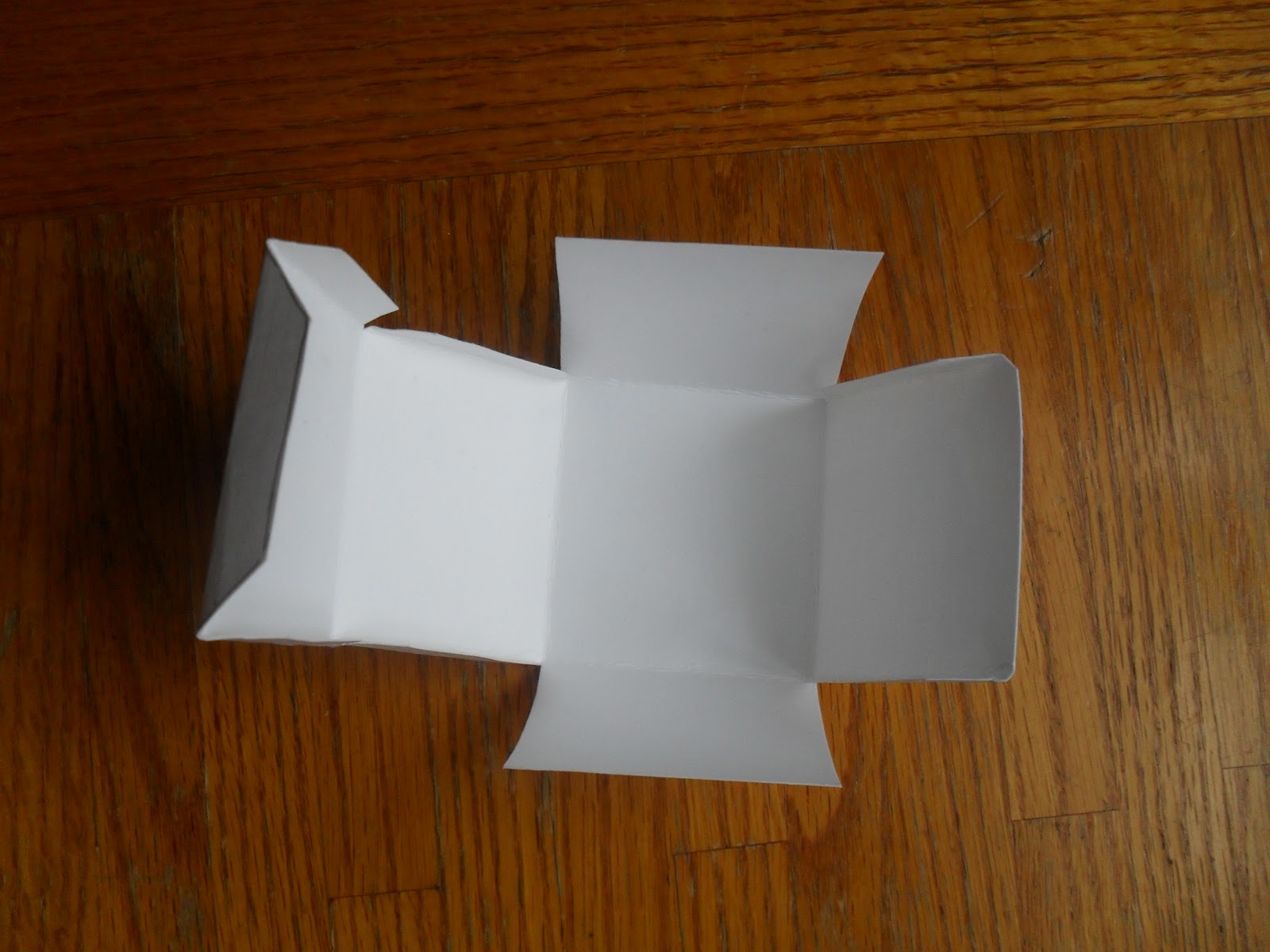
1. Print the block/cube template. With tape, lightly tape it to a poster board. Cut out the pattern. Leave the tape on for now insha'Allah. You'll remove it in a bit insha'Allah.


2. Pin the pattern to the felt insha'Allah (it should be the original paper pattern still taped to the poster board pattern you just cut out insha'Allah). Remove the tape one square at a time and re-pin the block pattern to the felt. Cut the pattern out. Cut the felt pattern a bit larger than the poster board pattern (you can trim it later insha'Allah but if you don't do this you will see some of the white poster board peeking out when you put the cube together).


3. With the hot glue gun, one block at a time, remove the pins and glue the felt to the poster board block pattern.

4. Assemble the cube (but not with the glue gun - just see if it goes together fine insha'Allah) and here you will trim the extra felt on the edges if needed insha'Allah.

5. If all is well insha'Allah, use the hot glue gun to assemble the block. Do this one side at a time and for the top of the block, glue the inside of the cube, not the pattern itself because it will be difficult to insert it into the inside of the block without burning yourself (believe me - I did it and burned my fingers...ouch!...hehe).

6.  With a sharpie pen or marker, on the felt (or foam), draw the Arabic letters you want on your cube insha'Allah. Remember to draw them backward so when you apply the hot glue to the side with the marker on it, you will have the letter facing the right direction insha'Allah.

7. Cut the letters out and glue them to your block/cube. You're done insha'Allah!

Enjoy insha'Allah!

Monday, November 16, 2009

Exploring Texture: 'Where Is My Prayer Rug?' Book

Assalamu alaikum,

This activity is designed to help infants 6-9 months old expand their sense of touch insha'Allah. They will also have an opportunity to work on their motor skills insha'Allah, as they touch the different textures with their fingers. The infant also works on hand-eye coordination as he/she directs his/her hand to the square containing the texture patch. The activity also provides an opportunity to begin introducing vocabulary words that identify textures, (i.e. smooth, rough, etc.) insha'Allah. This book was given to a one year old and they seemed to enjoy it too alhamdulillah.

The little book is called: Where Is My Prayer Rug? and the middle of each prayer rug has a patch of material that is a different texture.

The Front Cover

All pages

Scratchy/Rough page close-up

Shiny page close-up

To make the book you will need:

- Where Is My Prayer Rug Book: Book with the word Sratchy or Book with the word Rough
- glue stick and liquid glue
- scissors and an Xacto knife
- 6 4x6 flashcards or cardstock cut to fit
- various materials that are different textures and safe to be touched by infants

Materials with different textures (aluminum foil, sandpaper, velvet, towel, and photoalbum page with plastic)

Simply cut out the book pages, then, using the Xacto knife, cut the center of each prayer rug out insha'Allah. With a pencil, make a light mark on the index card to show where the center of the prayer rug will be when you glue the page to the index card insha'Allah. Cut the textured material into a square that will be large enough to fill the space of the cut out square of the prayer rug insha'Allah. Glue it onto the index card. Line up the book page with the texture square and glue the book page onto the index card. Allow to dry insha'Allah. Once all pages have dried, staple the pages together to make the book insha'Allah.

Enjoy insha'Allah!

Monday, March 30, 2009

Beautiful Cloth Book for Infants 6-18 months old

Assalamu alaikum,

This is simply beautiful masha'Allah. A hand made cloth book for infants 6 to 9 months old. What a sensory experience this makes for a child, as well as a language activity too insha'Allah! There is a lot that can be done with these types of books. One can 1). point to the pictures and quietly name them using simple language (helps build vocabulary skills insha'Allah), 2). Allow the child to explore the pictures independently, experiencing the different textures of each picture 3). With the child, add sounds to the pictures (i.e. make the sounds that the objects in the pictures makes. And there are other possibilities as well. The picture below is one of the pages from the book made by sister Mabsoota of Easel & Ink masha'Allah!


Click here to see the remaining beautiful pages insha'Allah: She has described how she made the book in the above link and I encourage you to visit insha'Allah, if you are interested in making one for your child insha'Allah.


Enjoy insha'Allah!
Related Posts Plugin for WordPress, Blogger...